# \[Web, Drive] 타사 IdP의 사용자 ID와 비밀번호로 로그인하는 방법

### 개요 <a href="#a03" id="a03"></a>

이 매뉴얼에서는 타사에서 제공하는 IdP 서비스를 이용하여 싱글 사인온(SSO)으로 사용자 페이지에 로그인하는 방법에 대해 설명합니다.

***

### 제한·보충사항 <a href="#a04" id="a04"></a>

* 관리자 페이지의 '계정관리' > 'SSO 관리' 메뉴에서 SAML 탭 의 SAML 2.0 연계의 사용을 선택해야 합니다.
* 메인 도메인 또는 서브도메인이 설정되어 있는 경우에는 Web 브라우저에서 SSO를 사용할 때 사용자 ID와 비밀번호 입력란이 표시되지 않습니다.

***

### 절차 <a href="#a05" id="a05"></a>

{% hint style="warning" %}
**Web 브라우저**
{% endhint %}

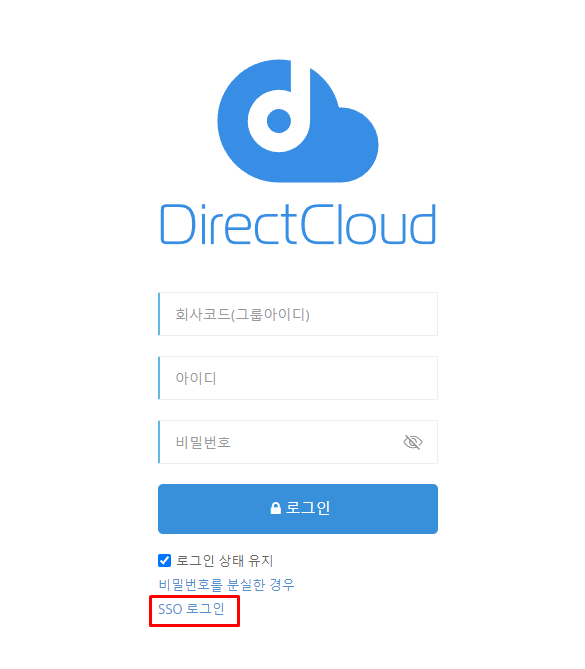
1. 로그인 화면에서 SSO로 로그인을 클릭합니다.

<figure><img src="/files/JZ2sdbpgPBTaeAbDigMV" alt=""><figcaption></figcaption></figure>

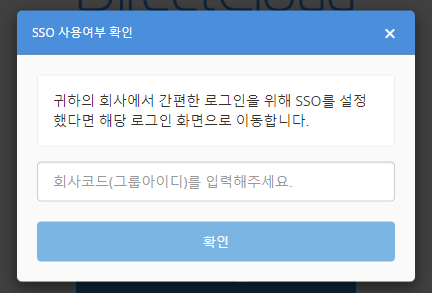
SSO로 로그인 화면이 표시됩니다.

2. 회사코드를 입력하고 확인을 클릭합니다.

<figure><img src="/files/I85XtHI7DPA2VQ87hEjg" alt=""><figcaption></figcaption></figure>

사용중인 IdP의 인증 화면으로 리디렉션됩니다.

3. 아이디와 비밀번호를 입력하여 로그인합니다.\
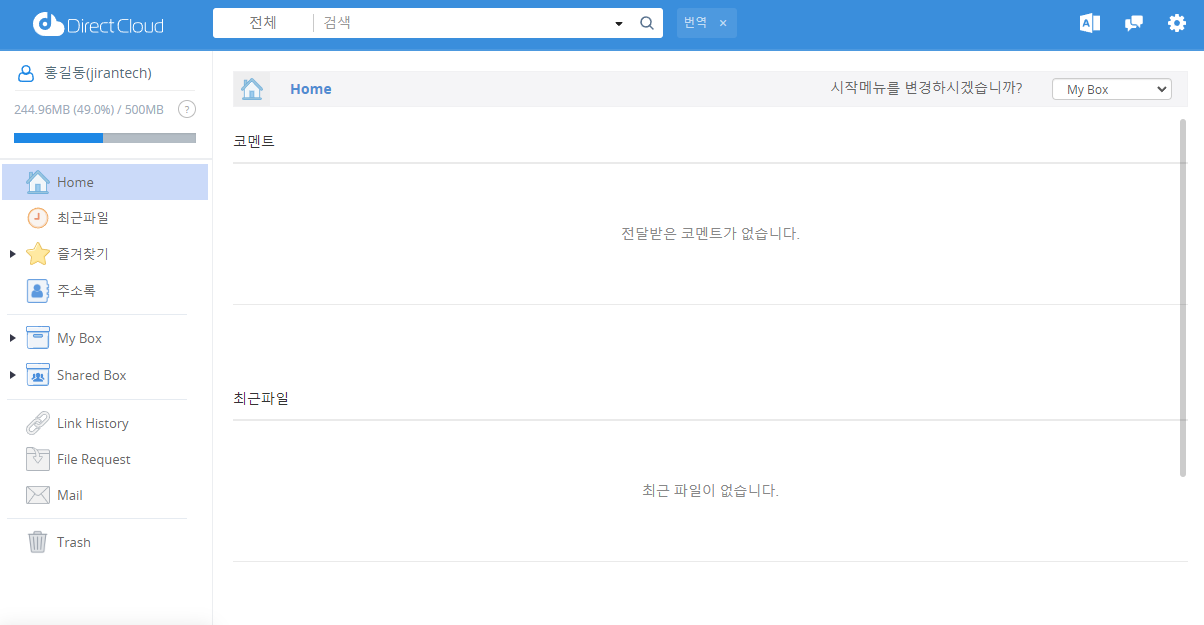
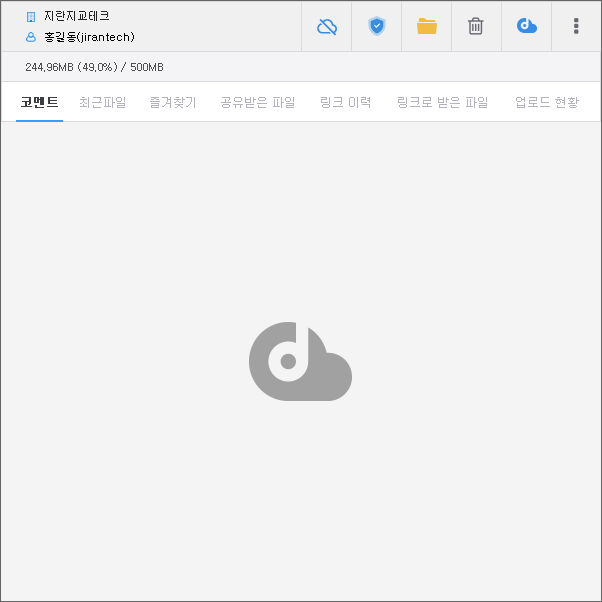
   사용자 화면에 로그인한 후 화면 왼쪽 상단에 SSO로 로그인한 사용자의 정보가 표시되는지 확인합니다.

<figure><img src="/files/GbkpmvvPjnUhcyMUOZtB" alt=""><figcaption></figcaption></figure>

{% hint style="warning" %}
**DirectCloud 드라이브(Windows)**
{% endhint %}

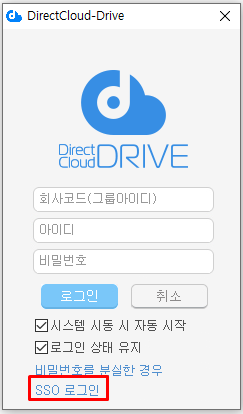
1. 로그인 화면에서 SSO로 로그인을 클릭합니다.

<figure><img src="/files/pSAKSbr0syM4oMKI6UFG" alt=""><figcaption></figcaption></figure>

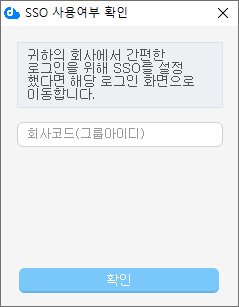
SSO로 로그인 화면이 표시됩니다.

2. 회사코드를 입력하고 확인을 클릭합니다.

<figure><img src="/files/eyAtwwzpIfDEhhIw8UAf" alt=""><figcaption></figcaption></figure>

사용중인 IdP의 인증 화면으로 리디렉션됩니다.

3. 아이디와 비밀번호를 입력하여 로그인합니다.\
   사용자 화면에 로그인한 후 작업 트레이의 왼쪽 상단에 SSO로 로그인한 사용자의 정보가 표시되는지 확인합니다.
<figure><img src="/files/ui6eqts5NJ2Vtx5LdUMZ" alt=""><figcaption></figcaption></figure>


---

# Agent Instructions: Querying This Documentation

If you need additional information that is not directly available in this page, you can query the documentation dynamically by asking a question.

Perform an HTTP GET request on the current page URL with the `ask` query parameter:

```
GET https://help.directcloud.net/user_manual/login_logout/wd_idp_login.md?ask=<question>
```

The question should be specific, self-contained, and written in natural language.
The response will contain a direct answer to the question and relevant excerpts and sources from the documentation.

Use this mechanism when the answer is not explicitly present in the current page, you need clarification or additional context, or you want to retrieve related documentation sections.